I have not included trigger warnings, so please check those as needed
If you’re interested in learning how to recognize and begin healing from trauma:
No Bad Parts: Healing Trauma and Restoring Wholeness withe the Internal Family Systems Model by Richard C Schwartz
Introduces the Internal Family Systems (IFS) model, which posits that the mind is comprised of multiple “parts” rather than a single, unified self. The book explores how understanding and interacting with these parts, rather than suppressing them, can lead to healing, self-compassion, and inner harmony. It emphasizes that there are no inherently “bad” parts, and even those that seem destructive can be understood as protectors with valuable intentions.
When the Body Says No: Exploring the Stress- Disease Connection By Gabor Maté
Explores the profound connection between emotional stress and physical illness, arguing that hidden stress can significantly contribute to various diseases. The book highlights how unresolved trauma and suppressed emotions can manifest as chronic illnesses like arthritis, cancer, diabetes, and heart disease. Maté emphasizes the importance of emotional awareness, self-compassion, and setting healthy boundaries for preventing and healing from illness. The book offers insights into the mind-body connection and encourages readers to become their own health advocates
Mother Hunger: How Adult Daughter Can Understand and Heal from Lost Nurturance, Protection, and Guidance by Kelly McDaniel
Explores the deep, often unconscious, yearning for maternal love and nurturing that can persist into adulthood, stemming from unmet needs in childhood. It explains how this “Mother Hunger” can manifest as unhealthy relationship patterns, emotional dysregulation, and other challenges. The book offers a path to healing by understanding and addressing these unmet needs, ultimately helping women build healthier relationships and find self-love.

The Myth of Normal: Trauma, Illness and Healing in a Toxic Culture by Gabor Maté and Daniel Maté
Explores how societal pressures and cultural norms contribute to chronic illness and trauma, challenging the conventional understanding of health. Maté argues that many so-called “normal” conditions, like chronic pain and mental health issues, are actually responses to toxic environments and repressed emotions. The book emphasizes the interconnectedness of mind, body, and society, advocating for a holistic approach to healing that addresses both individual and collective well-being
The Body Keeps the Score: Brain, Mind, and Body in the Healing of Trauma by Bessel Van Der Kolk
Explores how trauma, not just from major events but also from neglect or abuse, fundamentally alters the brain and body. It explains how trauma can manifest as physical symptoms, emotional dysregulation, and difficulties in relationships. The book highlights the importance of body-centered therapies and other innovative approaches in helping trauma survivors reclaim their lives and bodies

What Happened to You? Conversations on Trauma, Resilience, and Healing by Bruce D Perry and Oprah Winfrey
Explores how childhood trauma impacts adult behavior and mental health. It shifts the focus from “What’s wrong with you?” to “What happened to you?” to promote understanding and healing through personal stories and scientific insights
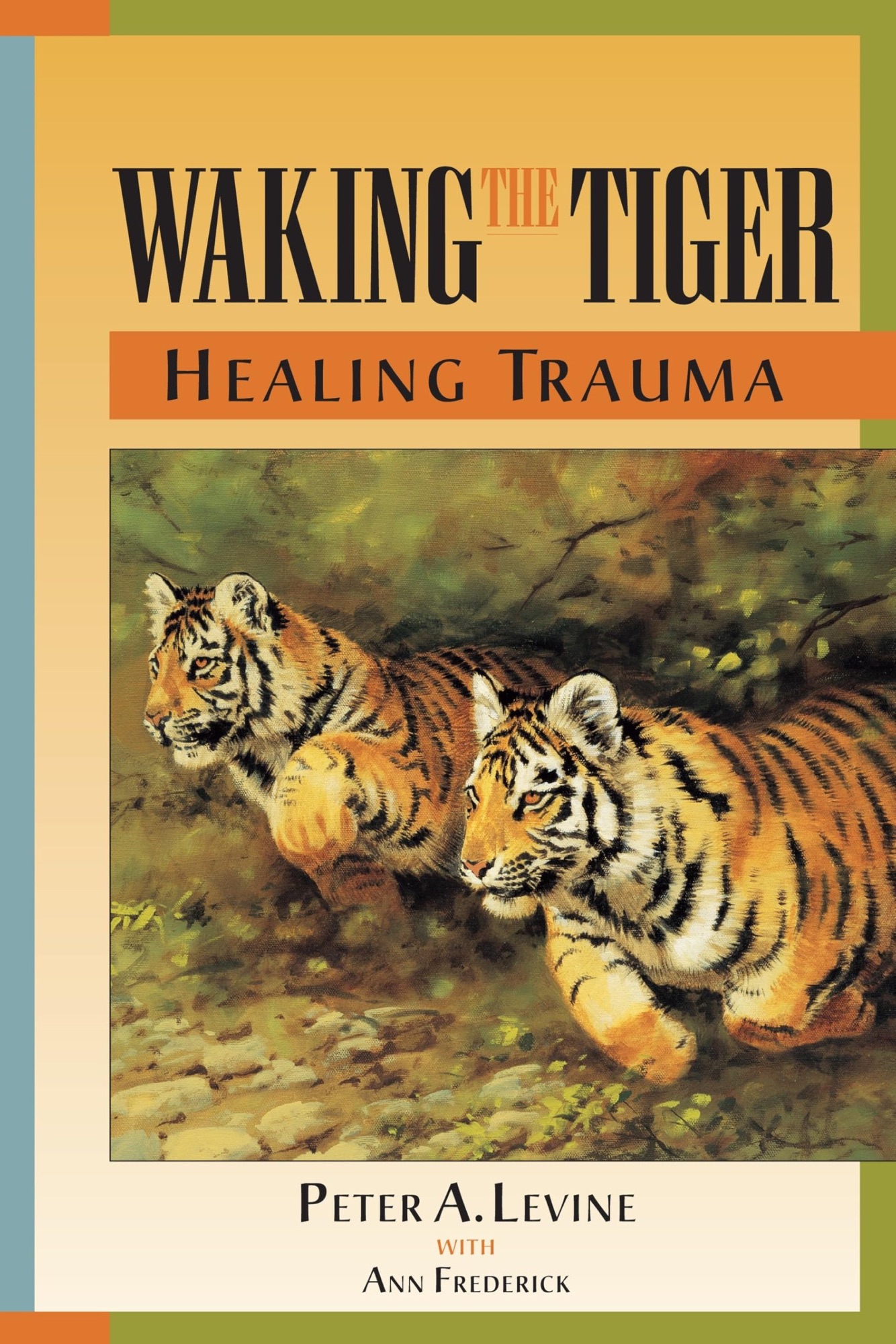
Waking the Tiger: Healing Trauma by Peter A Levine
Explores the body’s innate capacity to heal from trauma, offering a hopeful perspective on overcoming overwhelming experiences. The book draws parallels between animal behavior and human trauma responses, suggesting that humans, like animals, possess an instinctual ability to release the “stuck” energy of traumatic events. Levine’s approach emphasizes listening to the body’s wisdom and utilizing physical sensations to guide the healing process, rather than solely relying on cognitive processing of traumatic memories.
Trauma and Recovery: The Aftermath of Violence- From Domestic Abuse to Political Terror by Judith Herman
Explores the psychological impact of violence and abuse (including domestic violence, rape, and political terror) and proposes a three-stage model of recovery: establishing safety, remembrance and mourning, and reconnection. The book emphasizes that trauma is not just an individual experience but is deeply intertwined with social and political contexts, highlighting the importance of understanding the societal structures that contribute to and perpetuate trauma
If you’re interested in memoirs and stories about trauma:

In the Dream House by Carmen Maria Machado
A memoir about her experience in a verbally and psychologically abusive relationship with another woman. Presented in vignettes, each exploring a different narrative trope (like a haunted house or erotica), Machado dissects the dynamics of abuse within a queer relationship. The memoir highlights the insidious nature of psychological manipulation and the challenges of recognizing and escaping this form of abuse, particularly when societal narratives don’t readily acknowledge its possibility within same-sex relationships

What My Bones Know: A Memoir of Healing From Complex Trauma by Stephanie Foo
The book details her experiences with childhood trauma, including abuse and neglect, and how these experiences shaped her life, relationships, and career. Foo confronts her past, examines the science behind C-PTSD, and shares her path to healing through therapy, research, and self-discovery, offering hope and insight for others navigating similar challenges

Unbound: my story of liberation and the birth of the me too movement by Tarana Burke
This memoir details her journey from childhood sexual abuse to becoming the founder of the #MeToo movement. It explores her struggle to heal from trauma, find self-love, and ultimately empower others to speak their truth. The book highlights the importance of empathy, not just for others, but for one’s past self, and how healing begins with empowerment. It also reflects on Burke’s initial reluctance to embrace the viral #MeToo phenomenon and her eventual realization of its potential to connect with and help those who needed it most.
Not That Bad: Dispatches From Rape Culture by Roxane Gay
An essay collection that explores rape culture through personal narratives. The book features 30 essays, both by men and women, recounting experiences ranging from street harassment to violent assault. The collection aims to challenge the minimization of these experiences, prompting readers to confront the pervasive nature of sexual violence and its impact.
If you’re curious about what therapy is like:
Maybe You Should Talk to Someone: A Therapist, Her Therapist, and Our Lives Revealed
A memoir that offers a unique look into the world of therapy from the perspective of both a therapist and a patient. After a life-altering event, Gottlieb finds herself seeking therapy from an insightful therapist named Wendell. The book weaves together Gottlieb’s personal journey with stories of her patients – including a Hollywood producer, a young newlywed with a terminal illness, a suicidal senior citizen, and a young woman struggling with love and alcohol addiction – highlighting the universal struggles and the transformative power of therapy. Gottlieb explores themes such as love, loss, grief, trauma, self-discovery, and the importance of human connection and vulnerability in the healing process. The book aims to destigmatize therapy and mental health, demonstrating that seeking help is a sign of strength and self-care. Readers often resonate with the characters’ experiences and gain insights into their own lives, making it a compelling read for anyone interested in personal growth and well-being

Group: How One Therapist and a Circle of Strangers Saved My Life by Christie Tate
A memoir detailing the author’s experience in group therapy. Initially reluctant, Tate confronts her past traumas, eating disorder, and relationship struggles in a room of strangers under the guidance of Dr. Jonathan Rosen. The book explores themes of vulnerability, self-acceptance, and the transformative power of human connection found within the group dynamic
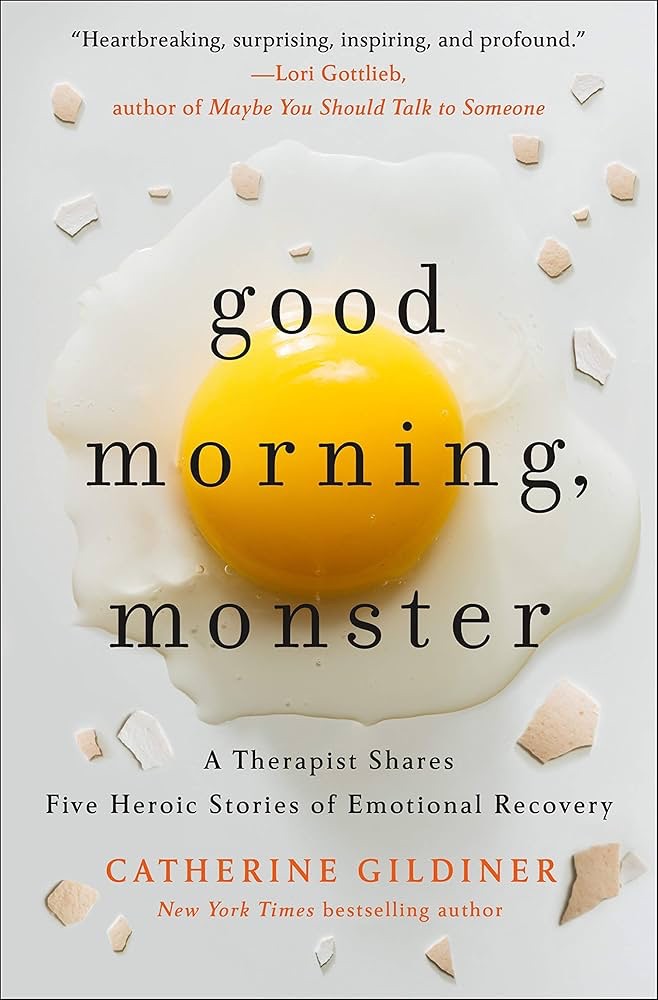
Good Morning Monster: A Therapist Shares Five Heroic Stories of Emotional Recovery by Catherine Gildiner
A therapist shares the stories of five patients who have overcome immense trauma. These are not ordinary stories; they are narratives of resilience and heroic journeys toward recovery. The book explores the patients’ struggles, their paths to healing, and the author’s own growth as a therapist. It’s a look at the human capacity for survival and the power of therapy in navigating deep-seated emotional wounds

Creatures of a Day: And Other Tales of Psychotherapy by Irvin D Yalom
A collection of ten short stories by renowned psychiatrist Irvin D. Yalom. Each story draws from his psychotherapy practice, exploring universal existential themes like mortality, the search for meaning, and the importance of human connection. Yalom delves into the struggles of his patients – and sometimes his own – as they grapple with the fundamental challenges of human existence: how to lead a meaningful life while confronting its inevitable end. The book offers an insightful and empathetic glimpse into the process of therapy, emphasizing the transformative power of genuine presence, authenticity, and vulnerability within the therapeutic relationship. Ultimately, Creatures of a Day encourages readers to embrace life’s impermanence, confront their fears, and live more authentically and purposefully.
If you’d like some effective self help when life is difficult:

Radical Acceptance: Embracing Your Life With the Heart of a Buddha by Tara Brach
Offers a path to freedom from self-judgment and suffering by embracing life as it is. It encourages readers to accept their experiences, including painful ones, with compassion and clarity, rather than resisting them. This approach, rooted in Buddhist teachings, helps to heal shame and fear, fostering genuine change and building authentic relationships. The book uses stories, guided meditations, and practical exercises to help readers develop the balance of clear-sightedness and compassion

The Wisdom of Your Body: Finding Healing, Wholeness, and Connection Through Embodied Living by Hillary L McBride
Explores the connection between our physical bodies and overall well-being. It challenges the mind-body divide, arguing that our bodies hold profound wisdom and that disconnection from our bodies leads to a loss of well-being, connection, and even justice. The book encourages readers to reclaim their bodies, offering practices and insights for cultivating a more compassionate, healthy, and holistic perspective on embodied living. It’s a journey of remembering, finding healing, wholeness, and connection through embodied experiences.
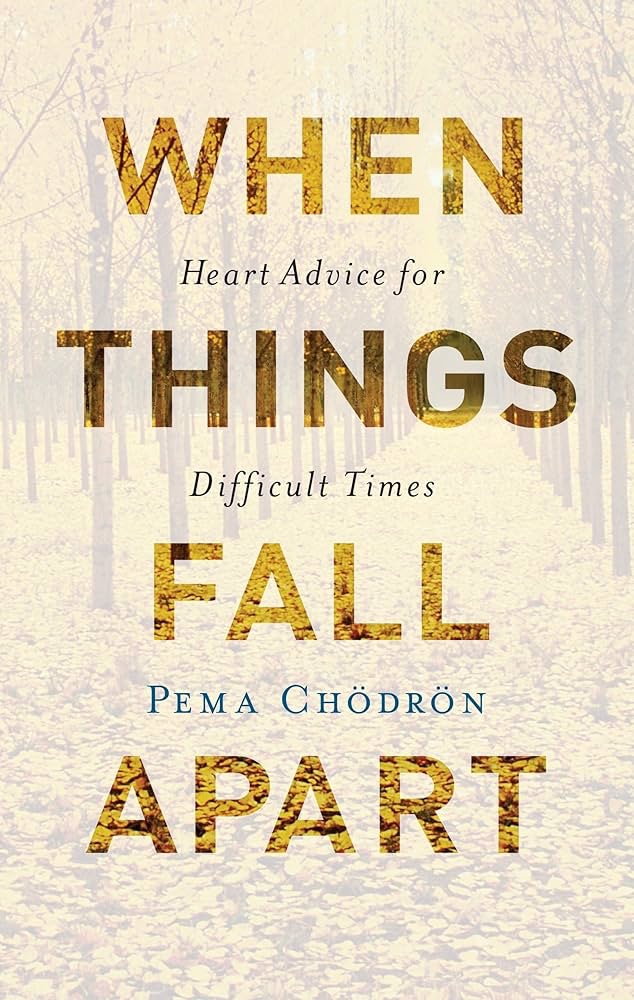
When Things Fall Apart: Heart Advice for Difficult Times by Pema Chödrön
A guide to navigating difficult emotions and challenging life experiences. It encourages readers to embrace pain and uncertainty with openness and curiosity, rather than trying to escape them. The book emphasizes that facing adversity with a compassionate and mindful approach, rather than avoidance, leads to greater resilience and personal growth.
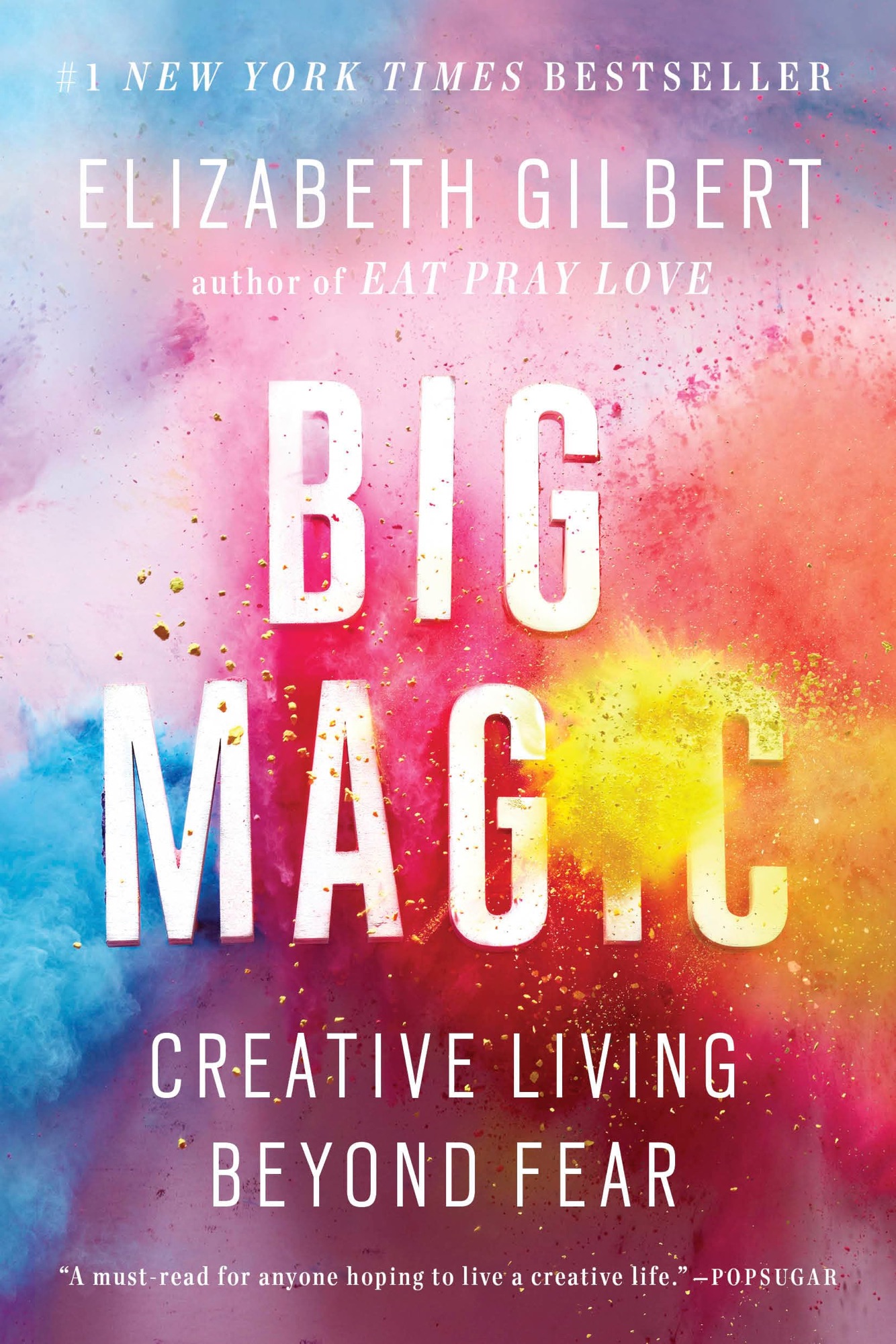
Big Magic: Creating Living Beyond Fear by Elizabeth Gilbert
Explores the concept of creativity not as a talent but as a way of life, encouraging readers to embrace curiosity and pursue their passions without the crippling fear of failure. Gilbert shares personal anecdotes and insights, offering a blend of philosophical musings and practical advice to help readers overcome creative blocks and live more fulfilling, joyfully creative lives. The book emphasizes that creativity is accessible to everyone and that the creative process is about finding joy in the journey, rather than solely focusing on external validation or success.

How to Keep House While Drowning: A Gentle Approach to Cleaning and Organizing by KC Davis
Offers a compassionate approach to managing household tasks, especially for those struggling with mental health challenges like depression or ADHD. The book moves away from viewing chores as moral obligations and instead reframes them as acts of self-care. It emphasizes practical strategies, self-compassion, and breaking down overwhelming tasks into manageable steps, ultimately helping readers create a more functional and peaceful living space.

Wintering: The Power of Rest and Retreat in Difficult Times by Katherine May
Explores the concept of “wintering” – those periods in life when we feel depleted, isolated, or need to retreat to heal and repair ourselves. It’s a poignant meditation on how to navigate these challenging times, drawing parallels to the natural world and the cyclical nature of life, emphasizing that these periods are a necessary part of growth and renewal. The book offers comfort, wisdom, and practical guidance for embracing these fallow periods, rather than viewing them as something to be feared or overcome.
Man’s Search for Meaning by Viktor E Frankl
Explores the power of finding meaning in life, even amidst suffering. Based on Frankl’s experiences in Nazi concentration camps, the book argues that the will to meaning, rather than pleasure or power, is the primary motivational force in humans. It details how individuals can find purpose and resilience through work, love, and courage in the face of adversity, even when suffering is unavoidable.
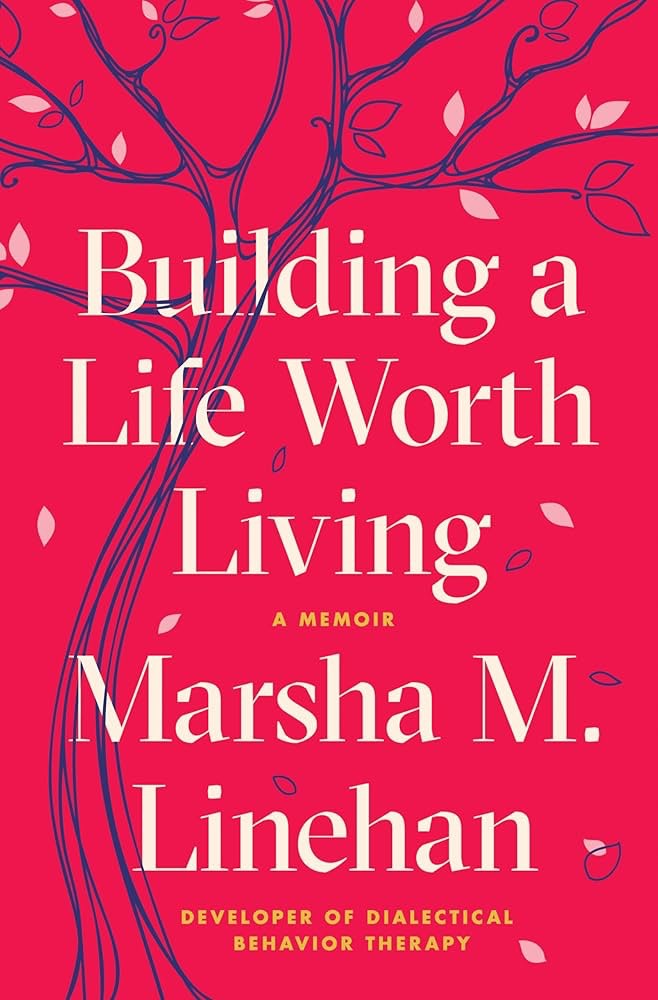
Building a Life Worth Living: A Memoir by Marsha M Linehan
Recounts the author’s personal journey from suicidal young woman to renowned psychologist and creator of Dialectical Behavior Therapy (DBT). The book blends memoir with practical insights into DBT, a therapeutic approach combining acceptance and change. Linehan shares her struggles in a psychiatric institute and her vow to help others escape emotional pain once she found her way out. She details her academic journey, the development of DBT, and how the principles of DBT, including mindfulness, distress tolerance, emotion regulation, and interpersonal effectiveness, can be applied to build a life filled with meaning and purpose.

Fierce Self-Compassion: How Women Can Harness Kindness to Speak Up, Claim Their Power, and Thrive by Kristin Neff
Explores how women can use self-compassion to navigate challenges, reclaim their power, and thrive. The book balances self-acceptance with the courage to make necessary changes, providing tools to speak up, set boundaries, and cultivate inner strength through self-compassion practices. It empowers women to overcome self-criticism, embrace imperfection, and build resilience.

Dare to Lead by Brene Brown
Focuses on courageous leadership, exploring how to build brave cultures by embracing vulnerability, living core values, building trust, and developing resilience. It emphasizes that true leadership is not about titles or power, but about recognizing and developing the potential in people and ideas. The book provides actionable strategies for navigating tough conversations, fostering empathy, and building strong, trustworthy teams.
For communication skills:

Nonviolent Communication: A Language of Life by Marshall B Rosenberg
Offers a method for connecting with others and ourselves through empathy and compassion. It focuses on observing, expressing feelings and needs, and making clear requests, fostering understanding and peaceful resolutions. This approach can be applied in various relationships and situations, from personal interactions to organizational conflicts.
Set Boundaries, Find Peace: A Guide to Reclaiming Yourself by Nedra Glover Tawwab
A guide to reclaiming yourself by establishing healthy boundaries in all areas of life. The book explains what boundaries are, why they are important, and how to implement them effectively, ultimately leading to healthier relationships and increased well-being. It provides actionable steps, real-life examples, and interactive exercises to help readers understand and overcome boundary issues.
If you’d like to learn more about gender and trans identities:
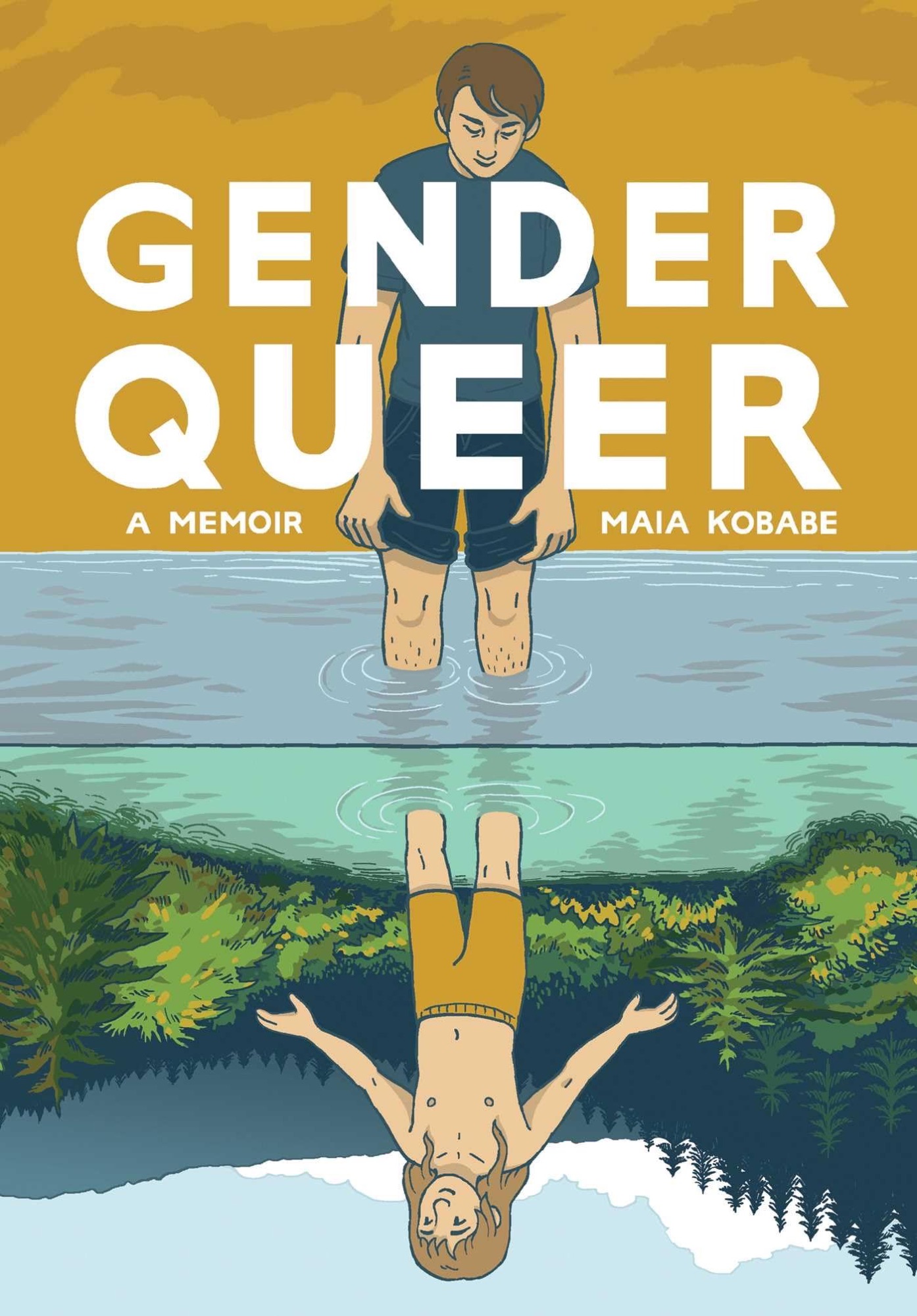
Gender Queer: A Memoir by Maia Kobabe
A graphic novel detailing their journey of self-discovery as a nonbinary and asexual person. The book explores themes of gender identity, sexuality, and the challenges of coming out, offering a personal and relatable narrative for LGBTQ+ individuals and those seeking to understand diverse gender expressions. It’s a story of self-acceptance, finding language for one’s identity, and navigating the complexities of family and societal expectations
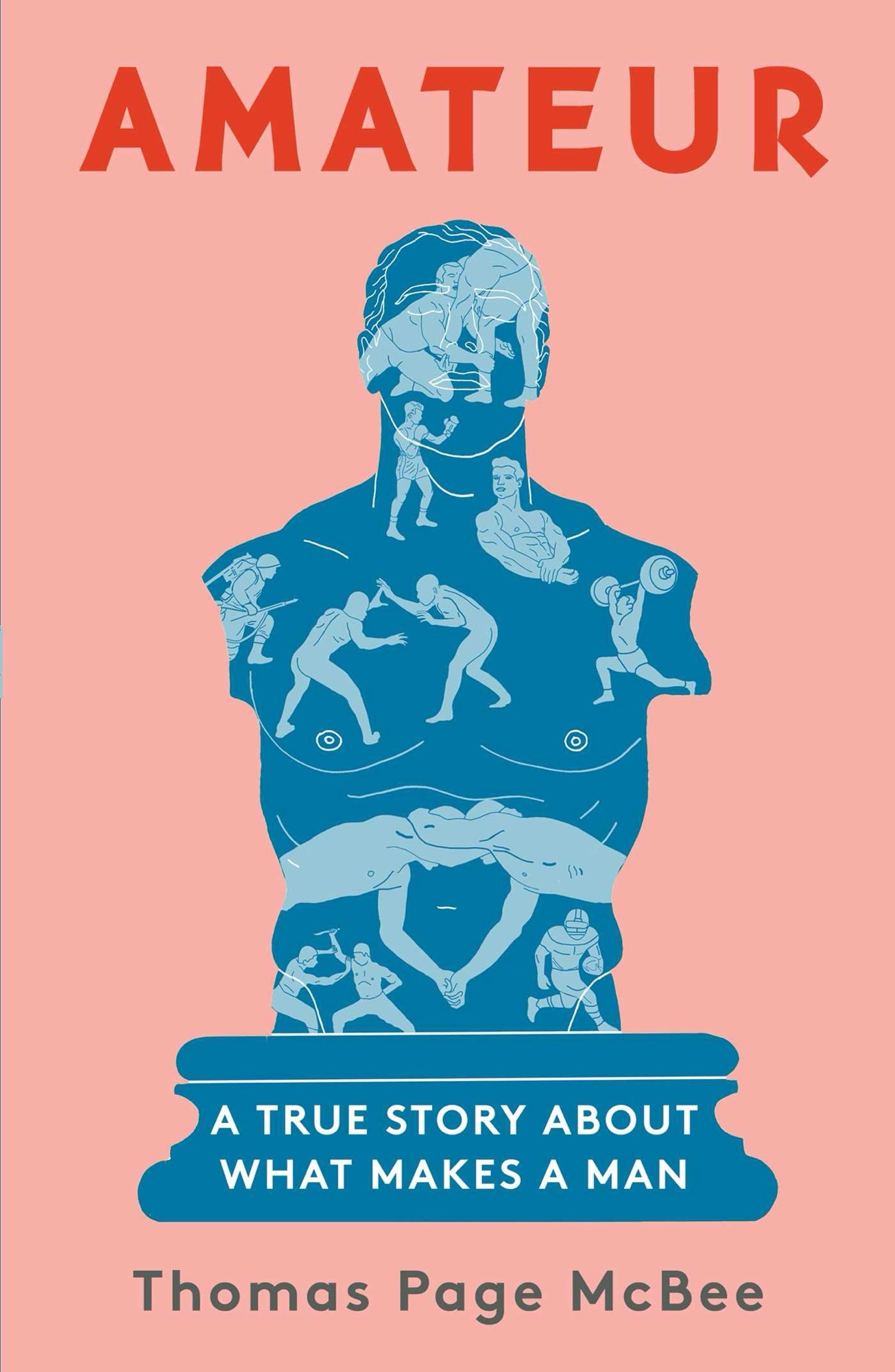
Amateur: A True Story of What Makes a Man by Thomas Page McBee
Thomas Page McBee, a trans man, grapples with the complexities of masculinity and violence while training for his first boxing match at Madison Square Garden. This gripping memoir offers a unique perspective on gender roles, societal expectations, and the limitations of traditional manhood, inviting readers to reconsider what it truly means to be a man. Exploring themes of identity, vulnerability, and resilience, “Amateur” combines personal narrative with insightful examinations of the challenges and triumphs of navigating a changing world.

All Boys Aren’t Blue by George M Johnson
A memoir-manifesto exploring their childhood, adolescence, and college years as a Black, queer individual. Through personal essays, Johnson discusses themes of gender identity, toxic masculinity, family, and the impact of societal expectations on their life. The book delves into experiences of bullying, sexual assault, and navigating a world where they often felt marginalized, while also celebrating Black joy and queer resilience

Before We Were Trans: A New History of Gender by Kit Heyam
Explores the diverse and often fluid experiences of gender throughout history and across cultures, challenging modern, binary understandings of trans identity. The book examines figures from antiquity to the present, highlighting those whose gender expressions and identities didn’t neatly fit into the categories of male or female, and how these individuals and their societies understood gender. It emphasizes that concepts of gender and its relationship to sex have been shaped by cultural, social, and historical contexts, rather than being fixed or universal.
If you’d like to learn about anti-racism, intersectionality, and fighting white supremacy:
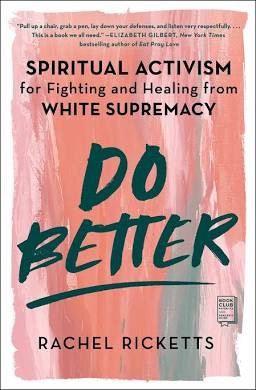
Do Better: Spiritual Activism for Fighting and Healing from White Supremacy by Rachel Ricketts
A guide for individuals seeking to dismantle white supremacy through personal and collective action. It combines racial justice education with spiritual practices, offering tools for introspection and healing to combat oppression at its roots and create a more equitable world. The book encourages readers to engage in deep, often uncomfortable, inner work to catalyze meaningful change.
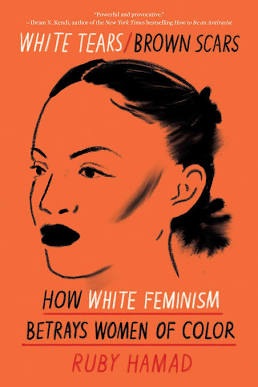
With Tears/Brown Scars: How White Feminism Betrays Women of Color by Ruby Hamad
Examines how white feminism has historically and continues to be complicit in upholding white supremacy and patriarchy, often at the expense of women of color. The book analyzes the concept of “white tears” as a tool used to silence women of color and deflect responsibility for racist actions, while “brown scars” represent the lasting impact of these actions on women of color. It explores this dynamic across various historical and cultural contexts, including slavery, colonialism, and contemporary issues, demonstrating how white women have actively participated in systems of oppression.
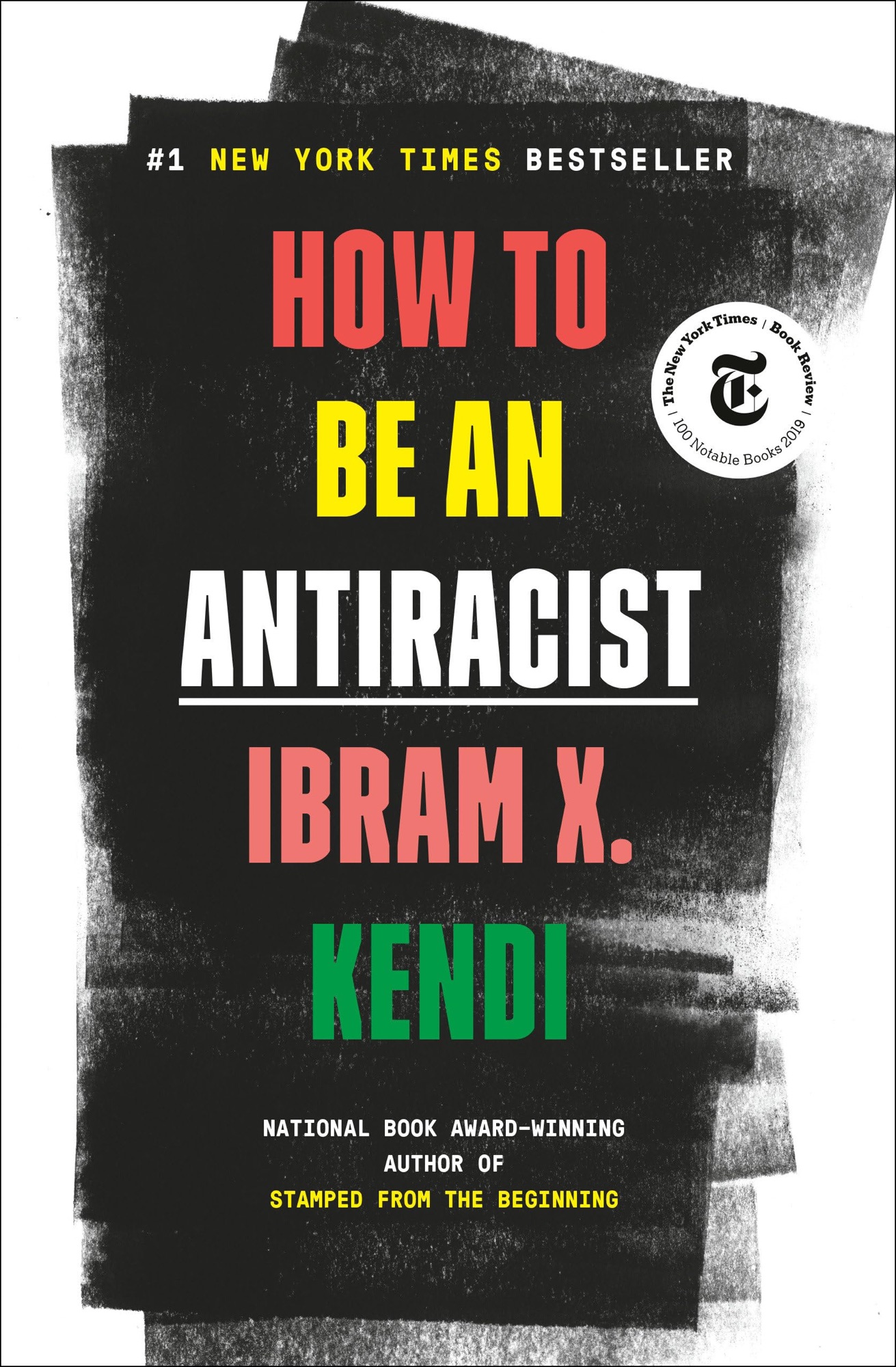
How to be an Antiracist by Ibram X Kendi
Challenges readers to move beyond simply not being racist and instead actively work to dismantle racist structures and policies. Kendi argues that racism is not just individual prejudice but a system of power that creates and maintains racial inequality. The book explores the concept of antiracism, which involves supporting policies and actions that lead to racial equality, and it delves into various aspects of racism, including its historical roots, intersections with other forms of inequality, and its impact on individuals and society. Ultimately, Kendi emphasizes that being antiracist requires constant self-reflection, education, and a commitment to challenging and changing racist ideas and systems.
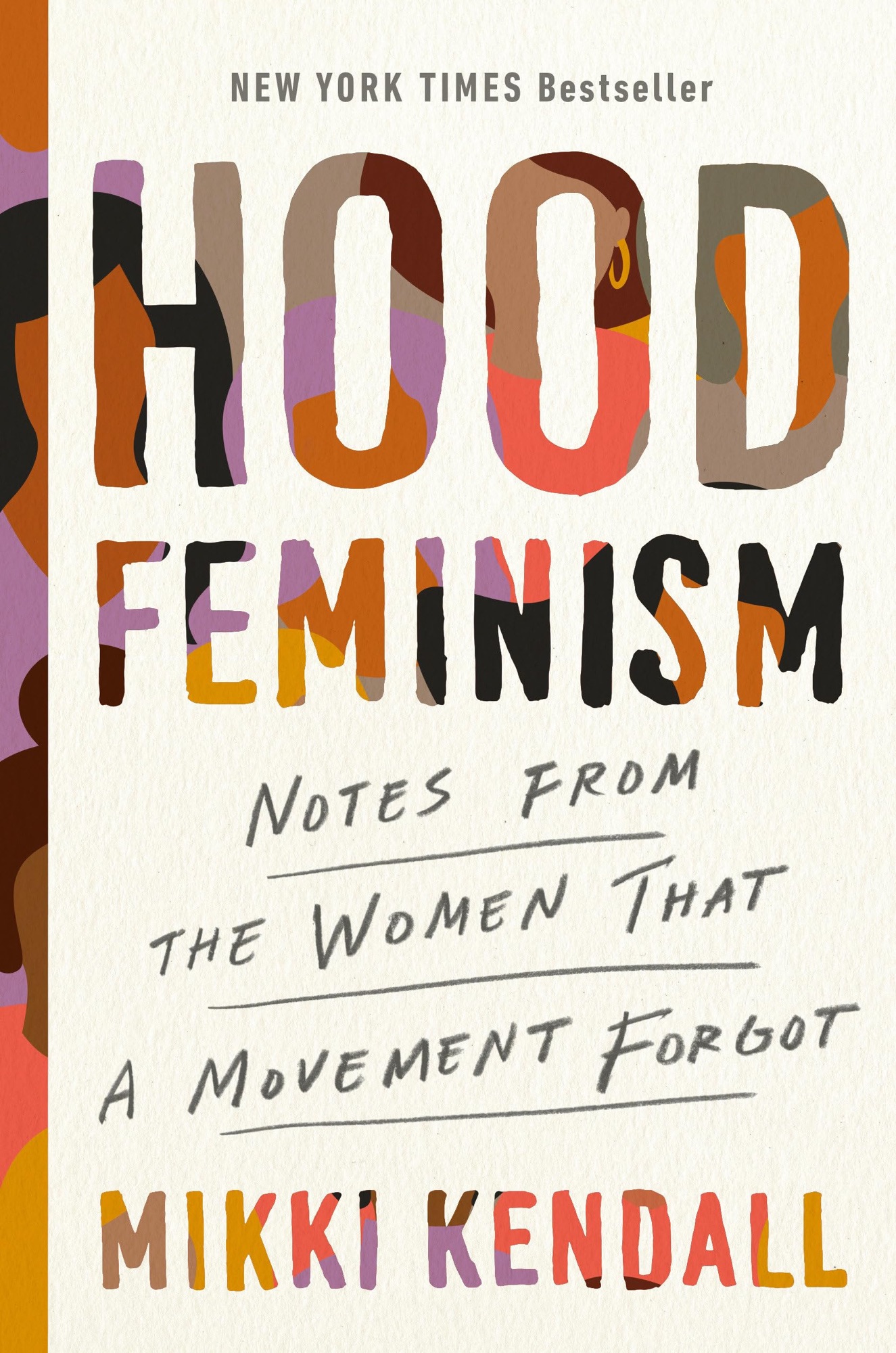
Hood Feminism: Notes from the Women That a Movement Forgot by Mikki Kendall
Critiques mainstream feminism for neglecting the needs of marginalized women, particularly women of color. It argues that feminism must address issues like poverty, gun violence, and food insecurity, which disproportionately affect these communities, and calls for a more inclusive and intersectional approach. The book emphasizes solidarity and community-based solutions, urging feminists to recognize and address their own biases and blind spots.

Between the World and Me by Ta-Nehisi Coates
explores race and racism in the United States. It’s written as a letter to his teenage son. The book delves into America’s racial inequality and the realities of being Black. It addresses racial identity, systemic oppression, intergenerational trauma, the fragility of the Black body, and the flawed American Dream. Coates reflects on his experiences, from his childhood in Baltimore to his time at Howard University, which he calls “The Mecca”. He shares insights with his son, Samori, about the fear and vulnerability that have shaped his experience. The book encourages confronting difficult truths about American history and society
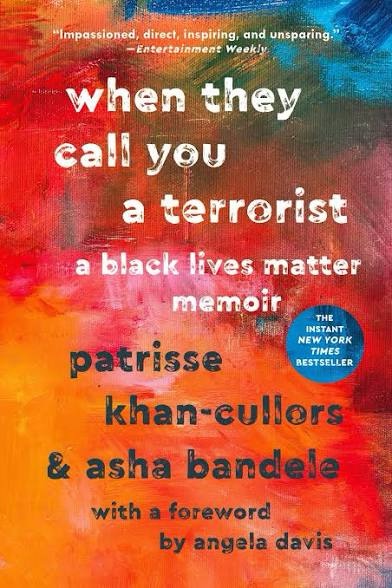
When They Call you a Terrorist: A Black Lives Matter Memoir by Patrisse Khan-Cullors and asha bandele
Raised by a single mother in an impoverished neighborhood in Los Angeles, Patrisse Khan-Cullors experienced firsthand the prejudice and persecution Black Americans endure at the hands of law enforcement. For Patrisse, the most vulnerable people in the country are Black people. Deliberately and ruthlessly targeted by a criminal justice system serving a white privilege agenda, Black people are subjected to unjustifiable racial profiling and police brutality. In 2013, when Trayvon Martin’s killer went free, Patrisse’s outrage led her to co-found Black Lives Matter with Alicia Garza and Opal Tometi. Condemned as terrorists and as a threat to America, these women founded a hashtag that birthed the movement to demand accountability from the authorities who continually turn a blind eye to the injustices inflicted upon people of Black and Brown skin.
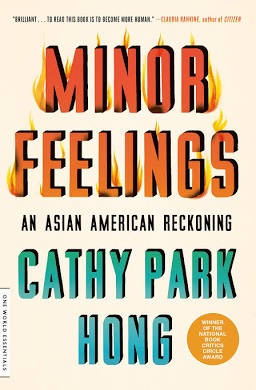
Minor Feelings: An Asian American Reckoning by Cathy Park Hong
A collection of essays exploring the unique experiences of Asian Americans, particularly the “minor feelings” of shame, suspicion, and melancholy that arise when one’s reality clashes with American optimism and dominant narratives. Hong uses her personal experiences to examine racial consciousness, identity, and the impact of systemic racism on Asian Americans. The book is a hybrid of memoir, cultural criticism, and history, offering a subjective perspective on the Asian American experience.
I’m Still Here: Black Dignity in a World Made for Whiteness by Austin Channing Brown
A memoir exploring her experiences as a Black woman navigating predominantly white spaces. The book delves into themes of racial identity, systemic racism, and the impact of white privilege, urging readers to confront their own biases and work towards genuine inclusion. It’s a powerful account of Brown’s journey to self-worth and her call for a more just and equitable society.
For those interested in feminism and challenging misogyny:

Healing Rage: Women Making Inner Peace Possible by Ruth King
A self-help book that guides women in understanding and transforming their anger and rage. It distinguishes between everyday anger and rage rooted in past traumas, offering a program to identify, process, and redirect this powerful emotion. The book explores how rage can manifest in various ways and provides tools and practices for healing and inner peace. It’s a resource for those seeking to understand their anger, embrace its wisdom, and cultivate a more peaceful life.
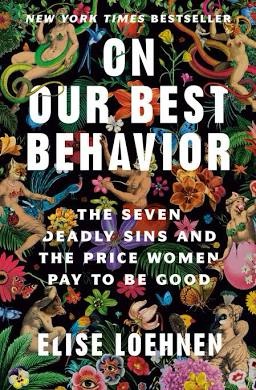
On Our Best Behavior: The Seven Deadly Sins and the Price Women Pay to Be Good by Elise Loehnen
Explores how societal expectations, rooted in the Seven Deadly Sins, have historically shaped women’s behavior and led to self-denial. The book examines how these expectations, often internalized, can hinder women’s self-expression, ambition, and financial well-being. It encourages women to break free from these restrictive norms and embrace a more authentic and fulfilling life.

For the Love of Men: A New Vision For Mindful Masculinity by Liz Plank
A non-fiction exploration of masculinity, advocating for a shift from toxic masculinity to a more mindful and compassionate form of masculinity. Plank examines how traditional, restrictive gender roles harm men and society, and argues for the inclusion of men in conversations about gender equality. The book offers insights into the emotional and psychological struggles men face due to these outdated expectations and provides actionable steps towards a more fulfilling and healthy masculinity for all.

The Will to Change: Men, Masculinity, and Love by bell hooks
Explores how patriarchal culture hinders men’s emotional development and ability to love, advocating for a shift towards vulnerability, self-reflection, and embracing one’s full emotional capacity. The book challenges traditional masculinity, arguing that it disconnects men from themselves and others, and proposes that embracing feminist perspectives can lead to healthier relationships and a more compassionate world.
For folks interested in learning about challenging fatphobia and diet culture:
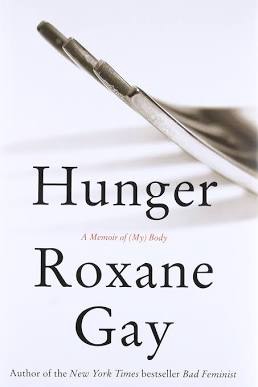
Hunger: A Memoir of (My) Body by Roxane Gay
Explores her complex relationship with her body, food, and trauma. The memoir delves into her experience as a fat woman in a society obsessed with thinness, examining how her body became a site of both comfort and shame after a childhood trauma. Gay uses her personal narrative to analyze societal attitudes towards weight, pleasure, consumption, and self-care.

“You Just Need to Lose Weight” and 19 Other Myths About Fat People by Aubrey Gordon
Challenges common misconceptions about fatness and fat people, arguing that being fat is not simply a matter of personal choice or a reflection of poor health. The book explores the pervasive anti-fat bias in society and provides readers with facts and tools to reframe these myths and promote fat acceptance.
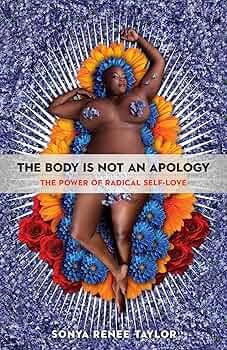
The Body is Not an Apology: The Power of Radical Self-Love by Sonya Renee Taylor
Challenges the societal norms that lead to body shame and oppression. It advocates for radical self-love as a means to heal from these harmful systems and build a more inclusive and equitable world. The book explores how ingrained body shame, often fueled by media and societal pressures, can be overcome through self-acceptance and celebrating body diversity.

Shrill: Notes From a Loud Woman by Lindy West
A memoir by Lindy West where she humorously and vulnerably recounts her journey from a shy, self-conscious girl to a feminist writer and activist. She explores themes of body image, online harassment, and the challenges faced by women in a culture that often silences them, all while finding humor and strength in her own experiences. The book is a testament to finding your voice and fighting for what you believe in, even when it’s difficult.
If you’d like to learn about challenging productivity culture and capitalism:

Poverty, By America by Matthew Desmond
Argues that poverty in the US isn’t just a result of individual failings or a lack of resources, but also a consequence of systems and choices made by those who are better off. He contends that affluent Americans, through their choices and the policies they support, knowingly and unknowingly contribute to keeping others in poverty. Desmond advocates for a shift in mindset and systemic changes, urging readers to become “poverty abolitionists” by questioning their own role in perpetuating poverty and actively working towards solutions.

Laziness Does Not Exist by Devon Price
Argues that what is often labeled as “laziness” is actually a harmful societal myth rooted in Puritanical work ethics and perpetuated by capitalism. The book contends that this “laziness lie” leads to unnecessary stress, burnout, and a distorted sense of self-worth based on productivity. Instead, Price suggests that what appears as laziness is often a natural human response to overwork, requiring rest, reflection, or a change in direction.
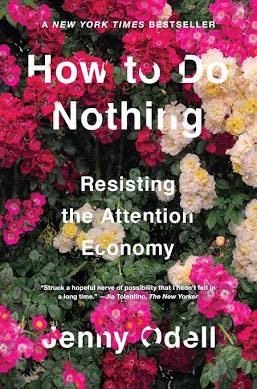
How to Do Nothing: Resisting the Attention Economy by Jenny Odell
Critiques the modern obsession with productivity and the constant demands on our attention. It argues that “doing nothing” – not in the sense of laziness, but in the sense of resisting the pressure to constantly consume and produce – is a form of resistance against the attention economy and a path to reclaiming our agency and finding deeper meaning in life.
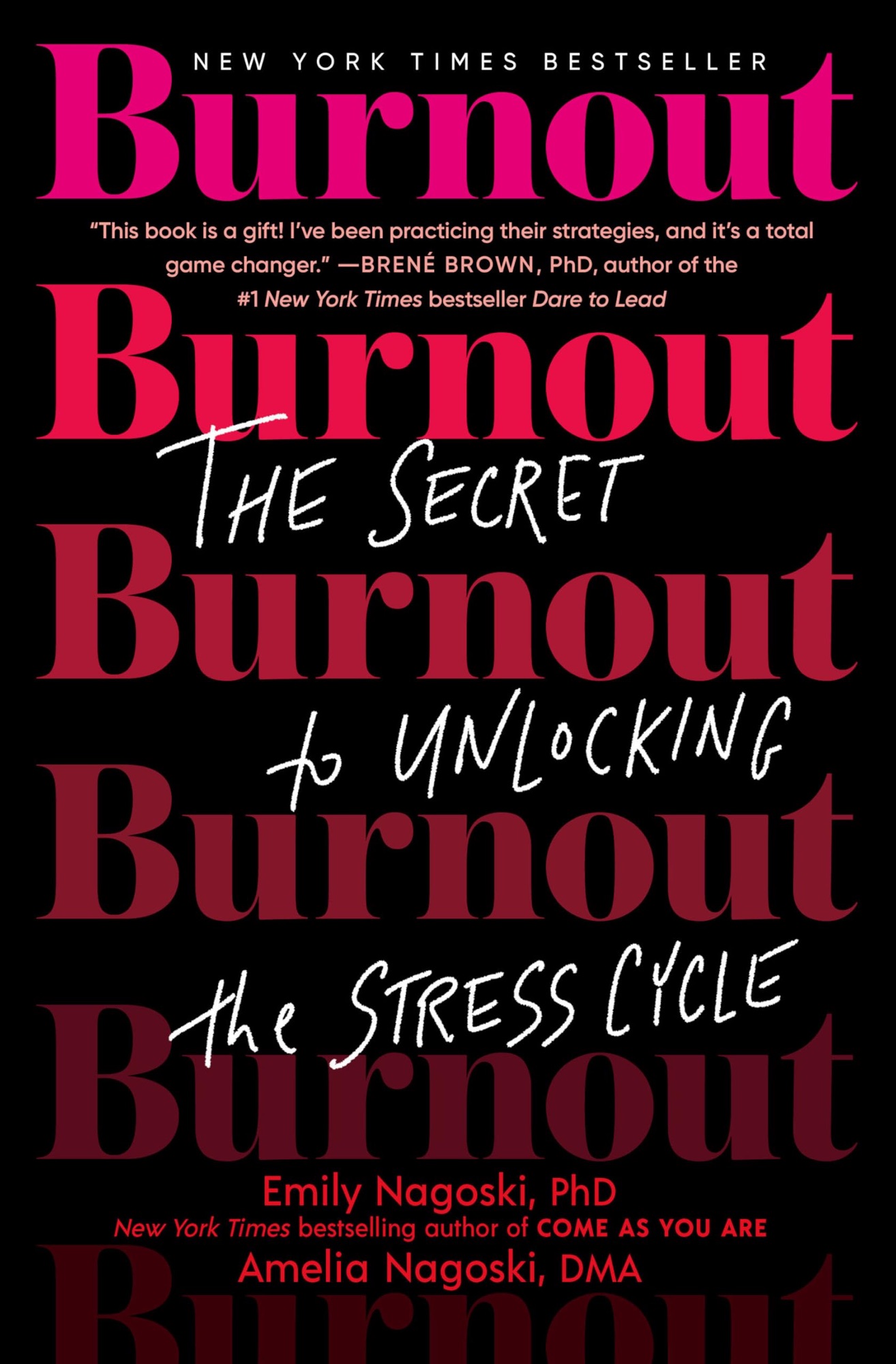
Burnout: The Secret to Unlocking the Stress Cycle by Emily Nagoski and Amelia Nagoski
Explores how societal pressures and unrealistic expectations, particularly on women, contribute to chronic stress and burnout. The book explains how to complete the biological stress cycle, manage frustration, and combat negative self-talk, ultimately empowering women to reclaim their well-being.
For those interested in intentionally working on friendships and connection:
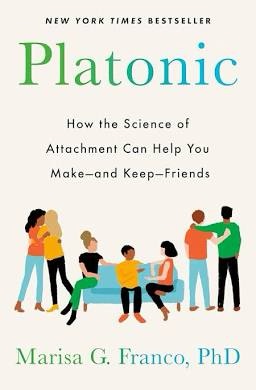
Platonic: How the Science of Attachment Can Help You Make- and Keep- Friends by Marisa G Franco
Explores the importance of friendship and how attachment theory can help build stronger, more lasting connections. It argues that prioritizing friendships, understanding individual attachment styles, and practicing vulnerability, authenticity, and generosity are key to fostering fulfilling relationships. The book uses research and personal stories to offer actionable advice for making and keeping friends, highlighting the vital role of friendships in overall well-being.
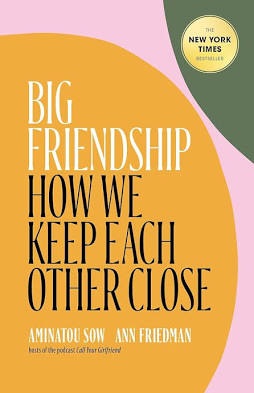
Big Friendship: How We Keep Each Other Close by Aminatou Sow and Ann Friedman
Explores the complexities and joys of their decade-long friendship, highlighting the commitment and effort required to maintain a strong, significant bond. The book delves into their personal experiences navigating life’s challenges, from career changes and health scares to everyday misunderstandings, emphasizing the importance of actively choosing and investing in friendships. It’s a testament to the power of platonic intimacy and a call to appreciate friendships as vital relationships deserving of attention and care.

The Art of Gathering: How We Meet and Why it Matters by Priya Parker
Argues that gatherings, from work meetings to social events, can be significantly improved by focusing on intentionality and distinctiveness rather than relying on routine. Parker’s human-centered approach emphasizes understanding the purpose of a gathering, who is involved, and how space and logistics can enhance the experience, ultimately leading to more meaningful and memorable connections.

Together: The Healing Power of Human Connection in a Sometimes Lonely World by Vivek H Murthy
Argues that loneliness is a public health crisis, impacting both physical and mental well-being. The book emphasizes the importance of social connection as a solution, offering practical strategies to build stronger relationships and combat the detrimental effects of isolation. Murthy, the 19th Surgeon General, draws on research and personal anecdotes to illustrate how human connection is vital for individual and societal health.
For people interested in learning about drugs:
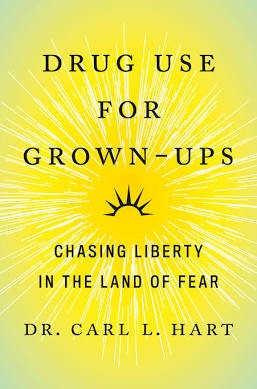
Drug Use for Grown-Ups: Chasing Liberty in the Land of Fear by Dr. Carl L Hart
Challenges conventional thinking about drug use, arguing that the primary harms associated with drugs stem from their illegality rather than the substances themselves. Hart advocates for the legalization of drugs and a shift in focus towards responsible use and harm reduction.
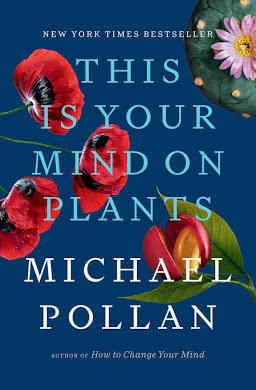
This is Your Mind on Plants by Michal Pollan
Challenges traditional ideas about drugs by exploring why humans are drawn to psychoactive plants and the taboos around them. Pollan investigates opium, caffeine, and mescaline, discussing their cultural, historical, and scientific significance. The book highlights the intricate connection between humans, plants, and the mind-altering effects they offer. Pollan suggests that consuming these plants and allowing them to alter our minds is a profound way to connect with nature.
Disclaimer: While I have read all of these books, I copied prewritten summaries I found online. Feel free to let me know if you find any mistakes.
 Therapist in Phoenix, Arizona + Denver, Colorado | Sarah Hayden PLLC